We have all felt unconsidered.
Some feel it more
often than others.
I research, design, and build conditions that change that through psychology, memory, and thirty years of noticing.

About
I took a longer route to this work. It was always my direction.
Through media psychology, social gerontology, and almost two decades as a licensed therapist. But also through thirty years of noticing what happens when someone arrives at a threshold they didn't see coming. A diagnosis. A parent who suddenly seems smaller. A partner who still knows every word to a song they heard at 22 but can't find their keys.
What I kept noticing wasn't a lack of care. It was a lack of consideration — the environments, the language, the systems, built for a different person. Not through malice. Just without thinking.
That gap is solvable. Solving it has become my practice.
Read my full story →Individuals & Families
Remembering Together
Some families wait for the right moment to capture what matters. Then the moment passes.
A structured practice for holding someone's story before urgency arrives. Grounded in reminiscence therapy and narrative psychology. Available as a self-guided digital experience, facilitated sessions, or an immersive installation in development.
More information →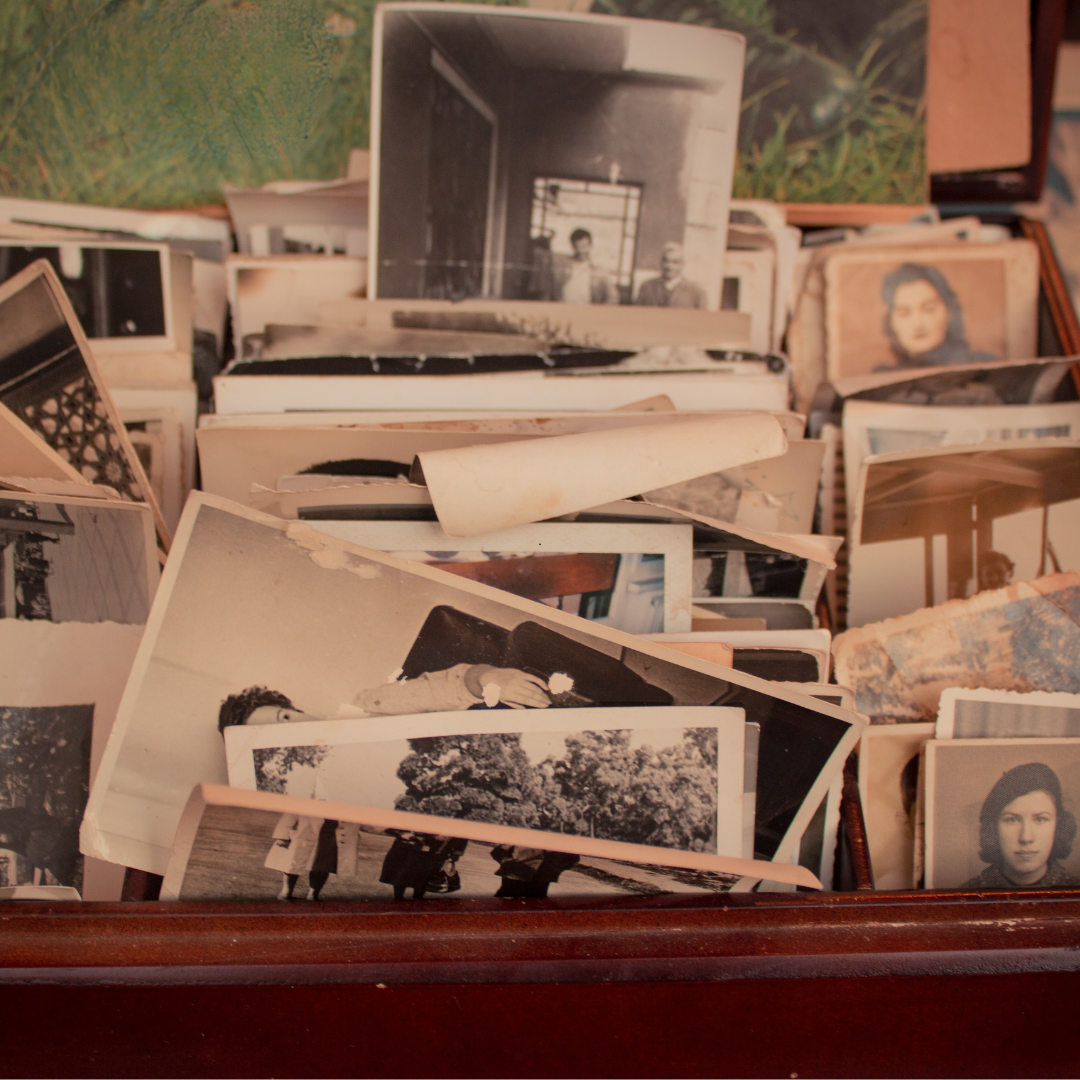
Thought Leadership
Speaking & Workshops
I speak where psychology, memory, design, and aging meet. The goal isn't to leave people with more information. It's to leave them seeing the people in front of them differently.
More information →Organizations & Institutions
Consulting
The environments and systems built around aging communicate something before anyone speaks. Most send the wrong message — not through malice, just without thinking it through.
Let's connect →Individuals & Families
Guided Support
For people standing at the threshold of something they didn't entirely choose. Nine sessions over three months. Structured, grounded in clinical practice — but it will feel like someone finally had time for the real conversation.
Start a conversation →The Studio
What we are building.
SenStoria makes original work and builds with organizations using the same creative intelligence. The methodology runs through both.
These are not case studies. They are the argument made visible.
See all work →Remembering Together
A practice for holding someone's story in three forms.
Emotional Baggage
What we pack, what we can't put down, what we didn't know we were carrying.
The Lost and Found
What gets left behind and what gets carried forward. Objects as the medium.
An Invitation
There is a place to start.
Whether you're a family, a clinician, or a storyteller — the question underneath is the same one.
Studio
Reading